

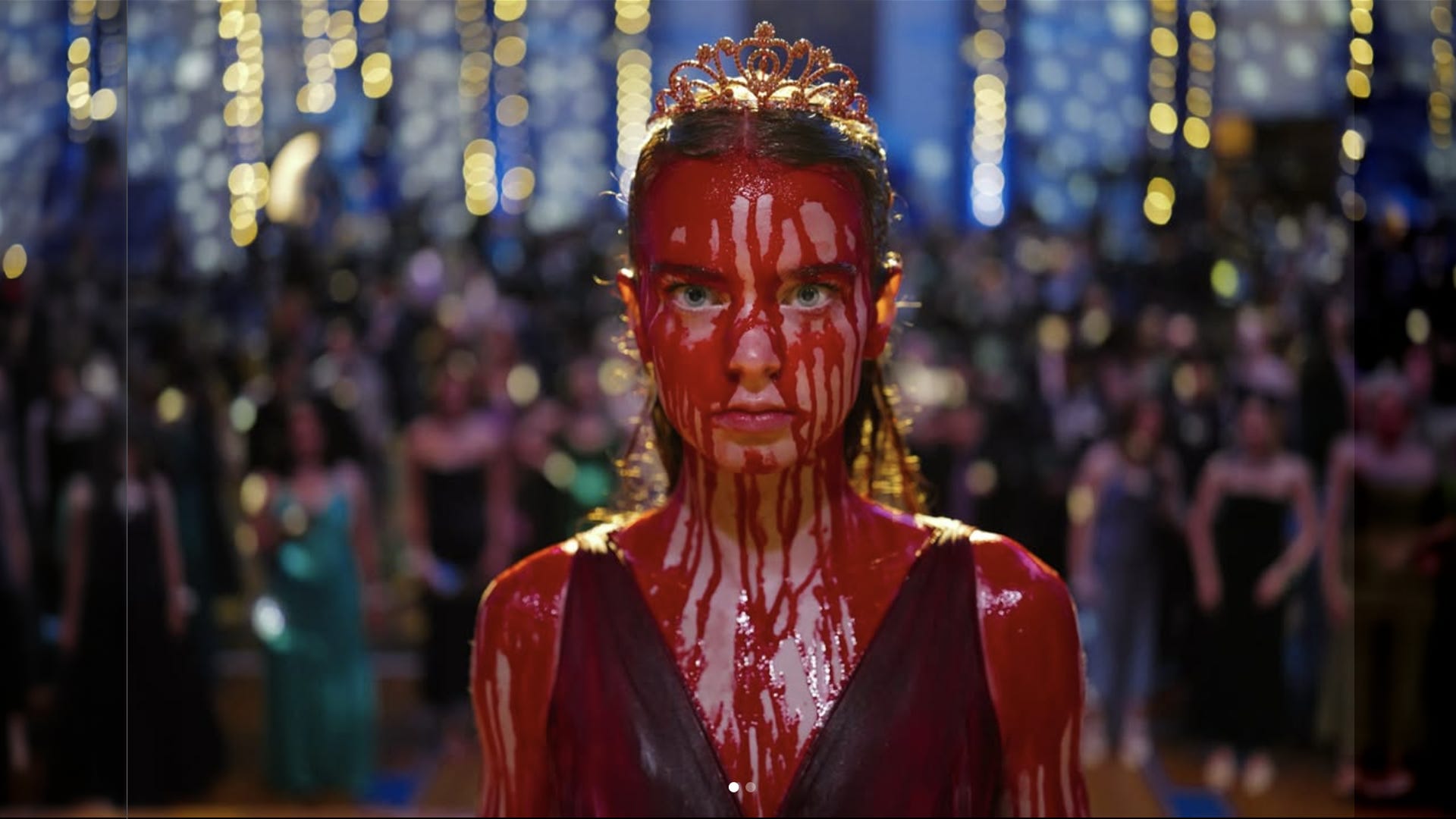
WARNING: This review contains major spoilers for all eight episodes of Carrie, including the finale.
Mike Flanagan has pulled off something I honestly didn’t think was possible: he has made Carrie feel new again.
The eight-episode series landed on Prime Video on Wednesday, October 7, with Flanagan writing and showrunning, directing half the episodes himself, and Stephen King on board as an executive producer.
It arrives 50 years after Brian De Palma’s 1976 film turned Sissy Spacek’s blood-soaked prom queen into one of horror’s most enduring images.
King published Carrie in 1974 as his debut novel, and the adaptations have barely stopped since: a poorly received 1999 sequel, The Rage: Carrie 2, a 2002 TV movie, and the 2013 remake starring Chloë Grace Moretz, which scraped a 51 per cent approval rating on Rotten Tomatoes.
So the big question going in was obvious. How do you stretch one of King’s shortest novels into an eight-part mini-series?
The answer, mostly, is really well. (Although I’ll confess, I think six episodes would have been perfect.)
What makes this version sing is that it assumes you already know the story. From the very first scene, the 911 calls, the burning gymnasium, the documentary-style interviews with survivors, you know prom night is going to be a bloodbath, pig’s blood and all.
That knowledge doesn’t deflate the series. It supercharges it with anticipation, so every small kindness and every petty cruelty across eight episodes lands like a countdown.
It’s also the smartest structural choice Flanagan makes. King’s novel was famously told in fragments: newspaper clippings, court records, scientific papers, survivor testimony.
Every film adaptation cut that device, with only the 2002 TV movie gesturing at it through police interviews. Flanagan builds his whole series around it, and it finally feels like Carrie as King wrote it.
READ MORE: ‘I knew almost nothing about Jennette’: My review of I’m Glad My Mom Died
The setting, though, is pure 2026. This Carrie White (Summer H. Howell) has been homeschooled her entire life in Chamberlain, Maine, by parents who are devout, loving and deeply paranoid, with bubble wrap on the windows and a closet where the family prays for America.
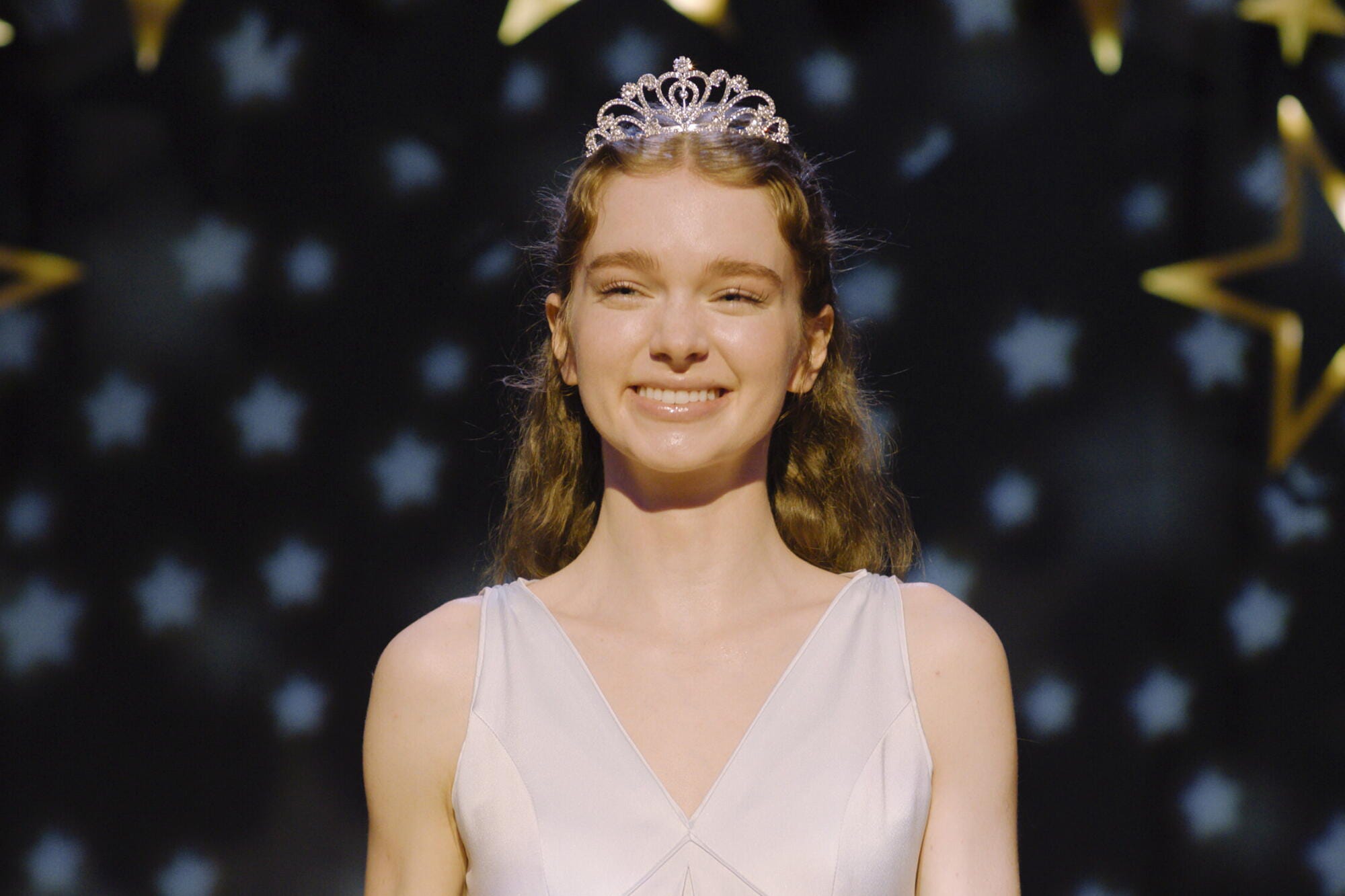
Flanagan swaps the novel’s pure religious zealotry for conspiracy-theory dread, and it’s a masterstroke. When Carrie’s doomsday-prepper father dies in a construction accident (a sly nod to the book), a court order forces the sheltered teenager into public high school.
Her first day includes a metal detector flagging the crucifix around her neck and a lockdown drill that leaves her shaking. The infamous shower scene is filmed on a dozen phones, and the bullying migrates to a vicious “Carrie Red” Instagram account.
The cruelty has an algorithm now, and it’s terrifying.
Howell is incrediable, playing Carrie as fragile, earnest and achingly open to the world. Her wide-eyed delight at her first computer broke my heart clean in half.
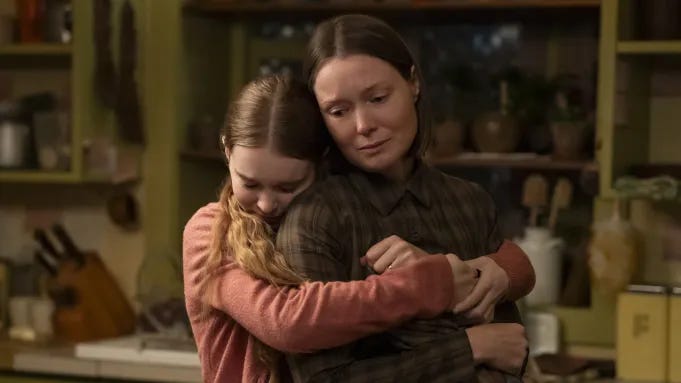
Samantha Sloyan (a Flanagan regular since Midnight Mass) is quietly chilling as Margaret, softened from the novel’s outright monster into something more calculating. Matthew Lillard, Amber Midthunder, Siena Agudong and Josie Totah round out a stacked cast, with Sue, Chris and Tina all given more room to breathe than any film ever allowed.
READ MORE: Josh Silver on Fruit Fly becoming a TV series
Now, the spoilers. The finale reveals Margaret has latent telekinesis of her own, holding up a piece of the collapsing house with her mind. King teased the ability as a genetic trait in the novel, and Flanagan runs gleefully with it.
He also builds out a whole supernatural world around Carrie: Thalia Dudek’s Emaline, an astral projector who literally takes the wheel during the prom massacre; Kate Siegel’s cult leader Adelaide; and Katee Sackhoff’s Amanda, a hunter who believes gifted girls must be eliminated.
And the biggest swing of all: Carrie survives. Prom is still a bloodbath, Chris and Billy still meet the business end of their own car, but Margaret dies at Adelaide’s hand, and Carrie drives off into the night with Emaline.
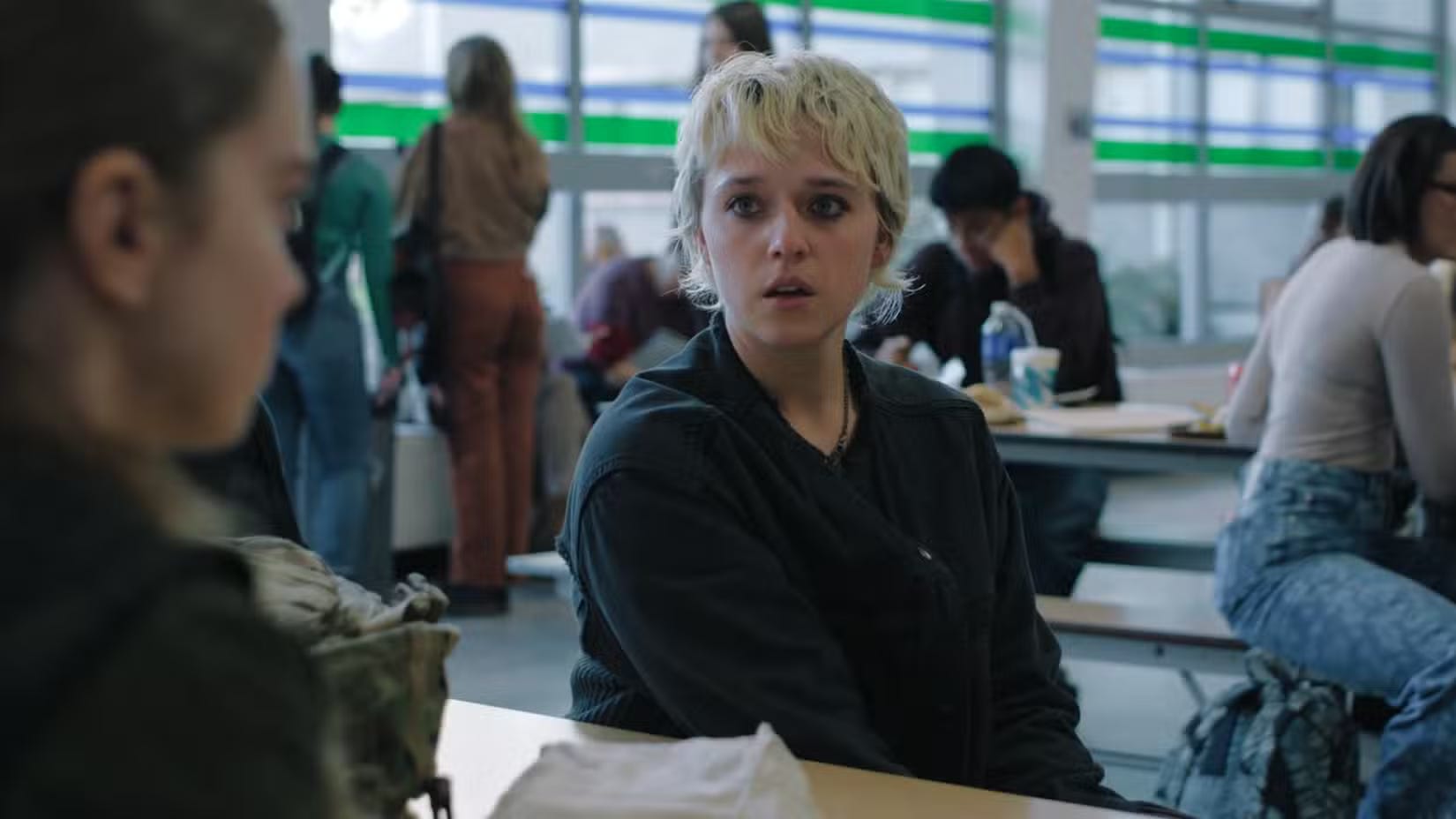
Flanagan has been upfront about why. He told Entertainment Weekly that Carrie belongs to “this larger community of women” and, in the book, never gets to know it.
He is also still chasing a bigger prize, telling Screen Rant of his long-gestating The Dark Tower adaptation, “we’ve never stopped working on it”.
Purists will hate some of this, and I understand why. The series sands back some of the novel’s rawest material, and turning Carrie White into the opening chapter of a shared universe won’t be for everyone. I’d just love to see this series share the same universe as HBO Max’s IT: Welcome to Derry.
But I’ve watched this story told the same way for years. Give me the swing. Give me the strange, sad, blood-soaked new world of it.
All eight episodes of Carrie are streaming now on Prime Video in Australia.
VisionQuest review: Marvel's strangest show since WandaVision is the finale the trilogy deserved

Disclosure: Disney+ provided screeners of all eight episodes of VisionQuest for this review. No spoilers beyond the two-episode premiere.